

Security & Safety at a Chalet in Megève: Off-Season Guide
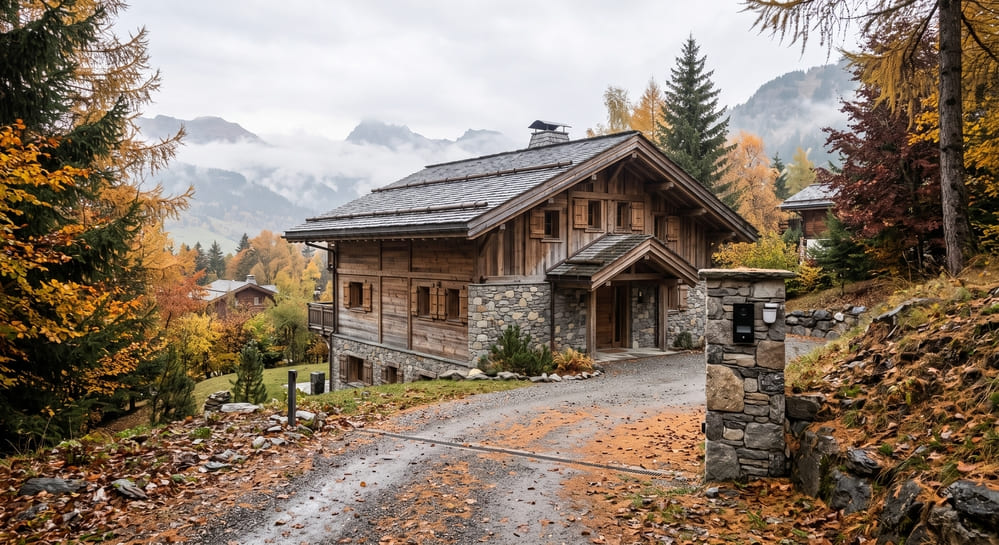
In Megève, the pace of life changes completely in the spring and fall—as soon as the slopes close at the end of April, and then after the summer vacationers leave in October. The resort regains a much-appreciated sense of calm. Businesses take a break, seasonal residents head home, and many chalets remain unoccupied for several weeks. This transition period is the ideal time to take stock of your property’s security. In the mountains, the remote location and tranquility of residential neighborhoods simply require a bit of foresight to avoid unpleasant surprises. Whether it’s an unwelcome visitor or a weather-related technical issue. Based in Megève since 1991, the Home Security team shares with you the best practices to ensure you can leave with peace of mind. Why Plan Ahead for the Off-Season at Your Vacation Home? Residents of Demi-Quartier often find themselves without immediate neighbors. This tranquility is pleasant, but it also means that no one is around to notice anything out of the ordinary on a day-to-day basis. Planning ahead for this time helps meet two simple needs: Proper preparation allows you to close up your cabin with peace of mind and find it in perfect condition for the following season. Automation and Locks: Effortlessly Secure Exterior Entrances The first step in prevention is to securely lock all exterior entrances to the property. Rather than installing multiple manual locks, today’s technology greatly simplifies this step thanks to smart locks. By equipping your property with a motorized gate and an automatic garage door. You ensure that the perimeter of your vacation home remains securely closed at all times. From your smartphone, you can check at a glance whether the gate is properly closed—even once you’ve arrived at the airport or at your primary residence. If you forget, you can close it remotely with a single tap. It’s also possible to program very simple scenarios to make the cabin look lived-in while you’re away. For example, the outdoor lighting along the driveway or certain indoor lights can turn on automatically at dusk and stay on for a few hours. This visual presence is usually enough to deter curious onlookers who might be trying to figure out if the property is occupied. Early Detection: Take Action Before Damage Occurs Electronic security isn’t meant to scare people, but to provide early warning to prevent costly repairs. At a vacation home, an unusual presence should be detected as soon as someone enters the yard or patio. Even before a door or window is touched. With a modern alarm system, reliable outdoor sensors monitor the cottage’s surroundings. Designed to withstand alpine cold and snow. They can accurately distinguish between an animal crossing the property and a person getting too close. As soon as a human presence is confirmed, the siren deters the intruder and an alert is sent immediately. Your alarm system also monitors the condition of your home. By installing small, discreet sensors in bathrooms or the utility room, you’ll be notified as soon as a water leak occurs or if the indoor temperature drops below 7 °C in the event of a heating failure. This provides invaluable protection for preserving the chalet’s hardwood floors and woodwork during the winter. Connected Video Phone: Manage Service Providers and Deliveries Remotely The off-season is often the time when maintenance work is done. Chimney sweeping, having the gardener come by to prepare the yard for winter, boiler maintenance, or firewood delivery. Scheduling these visits when you’re not there can quickly become a headache. The habit of hiding a key under a flowerpot or giving everyone the same access code is never a good idea. The most practical solution is still a smart video doorbell. When a service provider rings the doorbell at your property, your phone rings just like a regular video call. You see who’s there, talk to them, and can remotely open the gate or garage door so they can drop off supplies or perform their work. You can also generate a temporary access code for them, valid only for the morning. Once their work is done, you lock everything up from your app, without having to hand over any keys. Local Video Surveillance: The Peace of Mind That Comes with a Real Presence in Megève Receiving an alert on your phone is great, but what if you’re in a meeting, on a plane, or simply hundreds of kilometers away? That’s where a local remote monitoring service really comes into its own. At Home Security, our monitoring center is active 24 hours a day, 7 days a week. When an alarm is triggered, we don’t just send you a message—we dispatch a team to physically verify the situation. Specifically, a locally based security officer goes directly to your property in Megève to check on it. Our teams know the village, the hamlets, and the sometimes narrow mountain roads like the back of their hands. They arrive quickly, walk around the chalet to assess the situation, and take the necessary measures if needed. Knowing that a local team can respond to your home within minutes is the best way to leave with complete peace of mind. Get ready for your trip with a simple assessment Taking care of your chalet before the off-season takes very little time and saves you a lot of worry. Before closing up your property for a few weeks, it’s always a good idea to have the alarm system’s batteries checked. You should also verify that your network connection is working properly and that your automated systems are functioning correctly. Our technicians are available year-round in Megève and throughout the Mont Blanc region to advise you and tailor your equipment to your lifestyle. Contact our team in Megève to review the security of your chalet FAQ: Security at Your Chalet in Megève
Video Surveillance for Vacation Homes: How Can You Ensure Reliable Security in Freezing Temperatures?

Every winter, we are called to properties where the video surveillance system failed during the first cold snap. Cameras that stopped working at -12°C, lenses frosted over on the very first night of freezing temperatures, and recordings that were unreadable due to a lack of night vision suited to the alpine environment. In all these cases, the problem was not a manufacturing defect. It was standard equipment installed in a non-standard environment. A mountain chalet imposes technical constraints that the vast majority of consumer-grade solutions cannot handle. Choosing the right equipment, positioning it correctly, and pairing it with the right surveillance system—that’s what separates a durable installation from one that fails when you return from your Christmas vacation. Why is video surveillance particularly well-suited for vacation homes? A mountain chalet is a unique type of property. It is often secluded, surrounded by nature, or located at the end of a road. It stands empty for much of the year. And it contains valuable belongings: ski gear, high-end furniture, electronic devices, and sometimes a well-stocked wine cellar. All of these factors make it a prime target for burglars, especially during the off-season when the resort is quiet and foot traffic is sparse. For chalet owners in Megève, Combloux, or Saint-Gervais-les-Bains who live in Paris, Lyon, or abroad, connected video surveillance offers something invaluable. A constant watch over their property, from anywhere in the world, in real time. The Challenges of Cold Weather and Snow for a Surveillance Camera This is where many homeowners are caught off guard. A camera bought at a big-box store or ordered online may work perfectly well under normal conditions, only to break down as soon as the first cold snap hits. In an alpine environment, the challenges are real and specific. Sub-zero temperatures damage electronic components and batteries. Some sensors lose their effectiveness below -10°C. In Haute-Savoie, winter nights regularly drop below this threshold, sometimes for extended periods. Snow and ice accumulate in front of the lens and completely block visibility. In fact, a camera whose lens is covered in frost after just two days becomes completely useless. Yet the device may continue to function perfectly in every other respect. Condensation inside the housing occurs during significant temperature fluctuations between day and night. It can irreversibly damage internal components if the housing is not properly sealed. Reduced light levels in winter pose an additional challenge. Short days, overcast skies, and snow cover all alter how light is reflected. Poorly equipped cameras produce blurry or unusable images under these conditions. Power outages during severe weather take the system offline at the worst possible time—precisely when vigilance is most needed. How do you choose a camera that’s suitable for winter conditions? Before any installation, there are non-negotiable technical requirements that must be verified. IP Rating The IP rating is the first thing to check. An IP66 rating is the minimum acceptable for an outdoor installation. That’s why, in mountainous areas, we always recommend IP67-rated equipment. This standard guarantees complete protection against dust. It also protects the equipment against temporary immersion. As a result, your installations will be fully resistant to slush and runoff. Temperature The operating temperature range must extend down to at least -30°C, ideally -40°C for the most exposed areas of the Alps. The built-in lens heater is essential equipment in the mountains. It prevents frost from forming on the lens and ensures a clear image even in freezing weather. Vision Night vision is a feature that should not be compromised. By 2026, relying on basic infrared technology that produces a black-and-white image will no longer be sufficient for a professional installation. Ultra-low-light sensor technologies, such as ColorVu or DarkFighter, can produce true-color images even in the middle of the night, without any artificial light sources. In practical terms, this means that a remote surveillance operator can identify the color of a jacket, a vehicle, or a detail of clothing in the image, whereas a conventional infrared camera would produce only a gray silhouette. When it comes to resolving doubts, this makes a significant difference. The resolution must allow for the identification of a face or a license plate from a distance under poor lighting conditions. The systems we install on properties in the Megève region always include 4K cameras or, at a minimum, 4-megapixel cameras. They offer sufficient clarity to zoom in on a detail without losing image clarity. A Full HD (1080p) camera is now considered entry-level on the market. A backup power supply or a PoE (Power over Ethernet) system keeps the system operational in the event of a power outage, which is particularly important in areas exposed to harsh weather conditions. Choosing the Right Camera Type for Snowy Conditions: Dome or Bullet? In fact, few installers mention this specific technical detail. Nevertheless, it offers real added value in mountainous areas. Bullet (tube) cameras have a built-in physical visor that naturally protects the lens from falling snow and runoff. They are particularly well-suited for high-altitude installations on exposed facades. Dome cameras, on the other hand, pose a specific risk in snowy environments. The reflection of infrared light off frozen water droplets or condensation accumulated under the dome can interfere with the image and create a luminous halo that significantly reduces nighttime visibility. This phenomenon, often overlooked, is one of the leading causes of degraded image quality in high-altitude installations that were not designed for this environment. Our recommendation in mountainous areas: prioritize the bullet-style camera for exposed outdoor areas, and reserve dome cameras for covered or semi-covered spaces (under a canopy, porch, or garage) where physical protection is provided by the structure itself. Where should you place security cameras on a cabin? Good equipment isn’t enough if the cameras are poorly positioned. For a mountain cabin, the priority locations are as follows. The main entrance and the access gate are the key entry points. They must be covered as a priority with a wide-angle view that allows you to identify anyone approaching
Why is my alarm triggering false alarms, and how can I fix it?
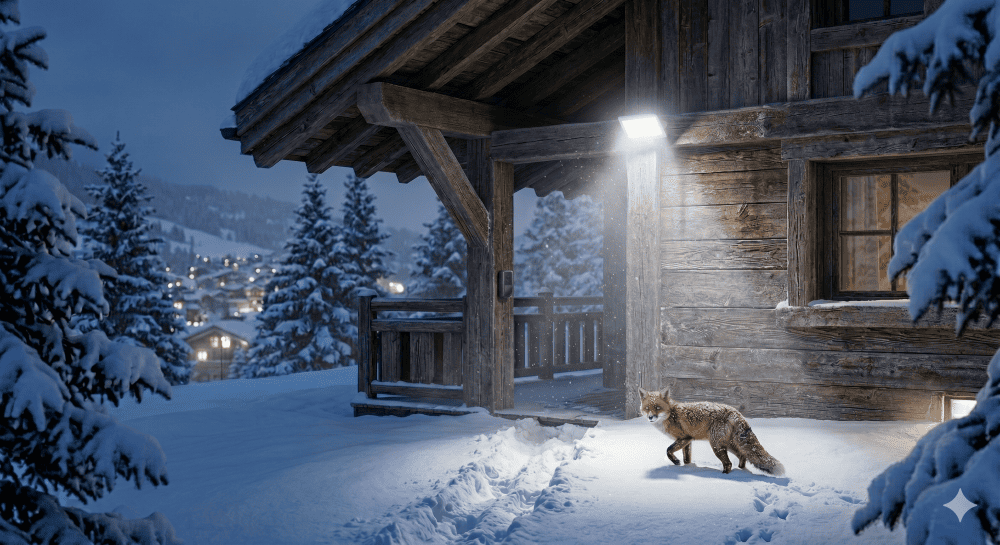
Your alarm goes off in the middle of the night when no one is home. It wakes up the neighbors, stresses out the whole family, and unnecessarily ties up your monitoring center. After a few incidents, it’s tempting to disable the system just to have some peace. However, that’s the worst possible response, because you’ll then find yourself completely unprotected. False alarms are one of the most common problems faced by alarm system owners. The good news is that they almost always have an identifiable cause and a concrete solution. What exactly is a false alarm? A false alarm is an alarm that goes off without an actual intrusion. There are three main categories: Technical false alarms, caused by a faulty sensor, low batteries, or incorrect system configuration. Environmental false alarms, caused by an external factor such as an animal, a temperature change, or a draft. And human-induced false alarms, caused by user error. Identifying which category your problem falls into is already half the battle toward finding a solution. The 6 Most Common Causes of False Alarms Des détecteurs de mouvement mal positionnés ou trop sensibles This is the number one cause. A motion detector pointed at a sunny window, a radiator, or a high-traffic hallway may go off for the wrong reasons. Similarly, a sensor set to maximum sensitivity will pick up the slightest movement, including slight vibrations or shadows. Domestic animals A cat wandering around at night, a dog moving from one room to another: if you don’t enable the “pet immunity” feature on your system, every movement will trigger an alert. This option, available on most modern systems, allows you to set a detection threshold that ignores living creatures below a certain weight. Temperature fluctuations and drafts A slightly open window, a draft causing a curtain to move, the heating kicking in the middle of the night: passive infrared detectors are sensitive to temperature changes. If your system hasn’t taken these factors into account, false alarms may become frequent, especially during the off-season. Low battery power in wireless sensors A wireless sensor with a battery nearing the end of its life sends an unstable signal to the control center. This degraded signal can be interpreted as a genuine alert. This is a cause that is often overlooked, but can be easily prevented by regularly monitoring battery status. Electromagnetic interference Certain radio frequencies emitted by other electronic devices (internet routers, microwave ovens, cordless phones) can interfere with communication between the sensors and the control panel. Modern alarm systems incorporate anti-interference protocols to minimize this issue, but older systems are more vulnerable to it. Improper use by a user Typing the wrong code too quickly, misunderstanding the arming delay, accidentally pressing the remote control: human error is far from rare. It often involves new users of a system or family members who are less familiar with how the alarm works. False alarms in the mountains: specific causes In our region, certain causes of false alarms are exacerbated by the environment. This is a reality we regularly observe in homes in Megève, Combloux, Saint-Gervais-les-Bains, and the surrounding valleys. Temperature fluctuations between day and night are much more extreme at high altitudes than in the lowlands. An exposed chalet can go from several degrees above freezing during the day to well below freezing at night, which puts a heavy strain on infrared detectors. Strong winds, common in open areas, can cause shutters, doors, or roof components to vibrate, triggering vibration sensors or poorly secured open-door contacts. Local wildlife is also a factor that should not be underestimated. Chamois, foxes, mice: these animals do not hesitate to approach isolated properties, especially at night. An outdoor detector not configured to ignore small animals may trigger multiple times a week in this context. Finally, second homes that are empty for much of the year face a particular risk. No one is on-site to quickly determine the cause of an alarm, and owners sometimes neglect to update a system that has been installed for several years. How to Reduce False Alarms: Practical Solutions Every problem has a solution. Here’s what you can do for each one. Improperly positioned sensors: Ask your installer to return to your home to recalibrate the detection angles and adjust the sensitivity. This isn’t a complicated task, but it requires an expert eye to be done correctly. Pets: Enable the pet immunity feature on your detectors if available, or ask your installer to check if your model supports it. Temperature fluctuations and drafts: Make sure all openings are securely closed before arming the system. If the problem persists, consider repositioning the sensors away from heat sources and exposed windows. Low batteries: Set up a regular monitoring schedule, at least once a year, and replace the batteries as soon as the system alerts you. An annual maintenance contract allows you to delegate this monitoring to your installer. Electromagnetic interference: If your system is old, consider upgrading to equipment with anti-jamming technology. The AJAX systems we install, for example, use encrypted radio communication on two frequencies with active jamming detection. Improper use: Train all household members on how to operate the alarm. Most reputable installers provide a full demonstration during setup. Don’t hesitate to ask for a refresher if certain Improper use: Train all household members on how to use the alarm system. Most reputable installers provide a comprehensive demonstration during the initial setup. Don’t hesitate to ask for a follow-up session if some family members aren’t comfortable with the system. The Role of Remote Monitoring in Managing False Alarms A good remote monitoring system does not trigger a response at the slightest sign of trouble. It includes a crucial step known as verification. In practice, when an alert is sent to the remote monitoring center, a human operator analyzes the situation before responding. If the alert appears to be unfounded, the operator may try to contact you to confirm before dispatching agents or alerting law enforcement. This is what is
Wired or wireless alarm system: which one should you choose for your home?
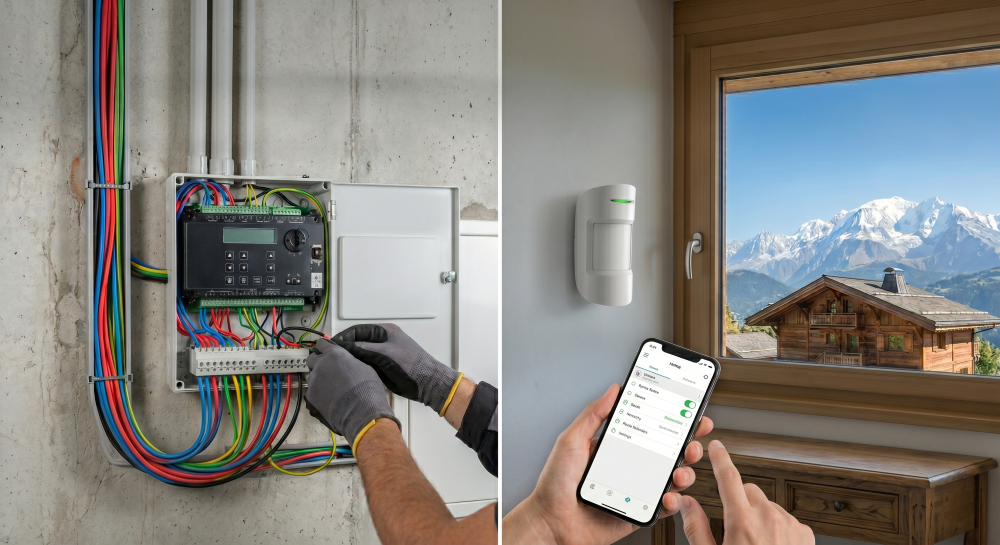
Are you thinking about installing an alarm system but don’t know where to start? Between wired and wireless alarms, there are many options and conflicting opinions. However, the choice between these two technologies is not insignificant: it determines the quality of your protection, the ease of installation, and, above all, how well the system suits your property. In this article, we break down both solutions step by step to help you make the right choice. Comment fonctionne une alarme filaire ? A wired alarm system relies on a network of cables that connects each sensor (motion detector, door contact, siren) to an alarm control panel. All components communicate with each other via these physical connections, ensuring reliable and continuous signal transmission. Its advantages: Its drawbacks: How does a wireless alarm work? A wireless alarm system operates using radio frequencies. Each sensor communicates independently with the control panel via an encrypted radio signal, often combined with a cellular or internet connection. The system can then be controlled remotely via a mobile app. Its advantages: Its drawbacks: Comparison Chart: Wired vs. Wireless Criteria Wired alarm Wireless alarm Installation Heavy, with construction work Quick and hassle-free Signal reliability Very high High (encrypted + GSM) Installation cost Higher Moderate Scalability Limited Very good Second home Not very suitable Ideal When should you choose a wired alarm system? Wired alarm systems are ideal for specific situations: in new construction, cables can be integrated during the structural phase; commercial spaces require high security and constant monitoring; and industrial buildings prioritize durability over flexibility. For a retail store, hotel, or restaurant in Megève, a wired system may be considered during a complete renovation or new construction, provided that the work allows for the integration of cables without compromising the aesthetics of the space. In all other cases, and particularly for residential properties, wireless systems are generally the most suitable solution. When should you choose a wireless alarm system? This is where wireless technology really comes into its own, and it’s the solution we recommend for the vast majority of situations we encounter in our region. For a second home or a cabin, wireless is simply a must. From Megève, Combloux, Saint-Gervais-les-Bains, or Praz-sur-Arly, many owners based in Paris, Lyon, or abroad need to be able to monitor and control their property remotely, in real time, from their smartphone. Wireless technology meets this need perfectly: arm and disarm the system from anywhere, receive an immediate alert in case of a break-in, and view live camera footage. No need to be there in person. No need to rely on someone on-site to arm the system for you. Furthermore, aesthetic concerns, practical constraints, or the frequent occupancy of a cabin or apartment in Haute-Savoie often make it impractical to consider wiring work, especially if the property is rented. What about resistance to extreme conditions? This is a factor that owners of mountain properties often underestimate. In our region, the weather conditions are harsh: sub-freezing temperatures in winter, significant seasonal variations, humidity caused by snow and thawing, and occasional power outages. Modern wireless systems, such as those we install at Home Security, are designed to operate under these conditions. The sensors are certified for temperatures well below freezing. The control panel has a built-in backup power supply that keeps the system operational even during a power outage. And GSM communication takes over if the internet connection is interrupted. These are factors that an installer with local expertise systematically factors into their assessment, well before installing the first sensor. Knowledge of local specifics—such as the isolation of certain cabins, the variable quality of the network, and access that can be difficult in winter—will make all the difference between a standard installation and one that is truly tailored to your situation. Expert Advice on Home Security At Home Security, we primarily install AJAX wireless alarm systems for homes, cottages, and apartments in the Megève area. This choice is no accident. Today, AJAX is a global leader in wireless security systems, offering features such as dual-frequency encrypted radio communication, resistance to jamming attempts, backup power, and an intuitive, responsive mobile app. But beyond the technology itself, it’s the combination with our service that makes the difference. Our remote monitoring center is based in Megève, not in Paris, not in Lyon. When an alert is triggered at your property, it is handled by operators who know your address, your neighborhood, and the access points to your property. This allows for faster verification and a more targeted response. We do not outsource any part of the process: from the initial consultation through to daily monitoring, you have a single point of contact. With over 35 years of hands-on experience in the Mont Blanc region, we know that the best alarm system isn’t necessarily the most expensive or the most complex; it’s the one that perfectly suits your lifestyle, your environment, and the unique features of your property. Wired or wireless alarm? For the vast majority of property owners in the region—whether they own vacation homes, chalets, apartments, or small businesses—wireless alarms have become the ideal solution: they offer easier installation, greater flexibility, convenient remote control, and complete reliability in the mountain climate. Wired systems remain relevant in new construction or high-traffic commercial environments. But for most situations we encounter in Megève and the surrounding valleys, wireless is the natural choice. Do you have a security project in Megève, Combloux, Saint-Gervais-les-Bains, or the surrounding area? Our experts offer free, no-obligation consultations and will visit your property to assess it before making any recommendations. 👉 Request your free assessment FAQ – Wired or Wireless Alarms: Frequently Asked Questions
Ajax Alarm: What Are the Benefits for Your Home Security?
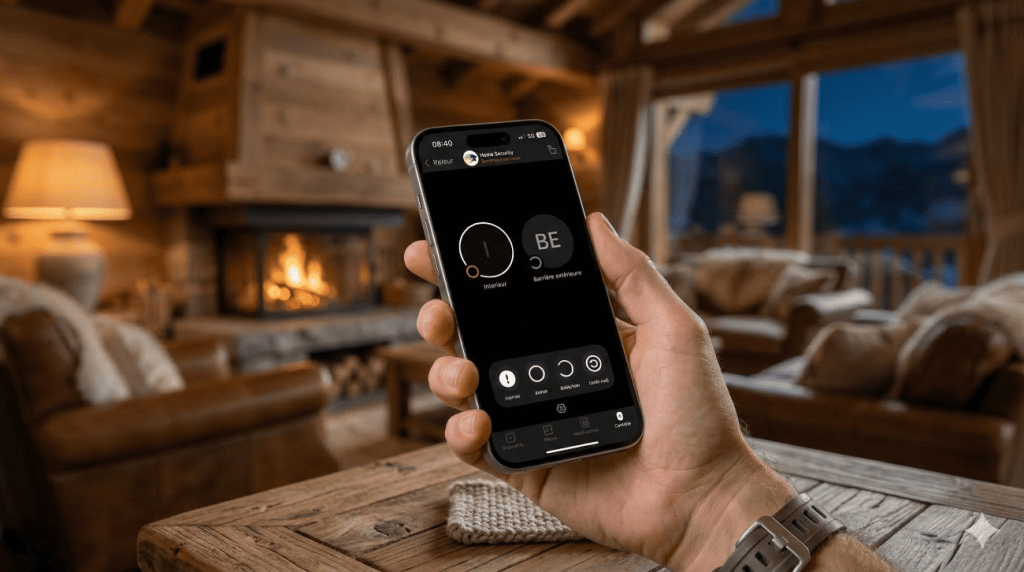
Why is the Ajax alarm getting so much attention? When you’re looking to secure your home, you’ll quickly come across a wide range of options. Some alarm systems are very basic, while others are more comprehensive, but it’s not always easy to understand what really sets one system apart from another. That’s exactly why the Ajax alarm has generated so much interest: it doesn’t just make a noise when a sensor is triggered. It was designed as a connected security solution, capable of detecting, transmitting, alerting, and helping you respond more quickly. For a homeowner, the point isn’t to have a “more high-tech” system just for the sake of it. The appeal lies in having an alarm that works reliably day-to-day, remains easy to use, clearly communicates information, and integrates seamlessly with other tools like video surveillance or remote monitoring. The Ajax alarm is appreciated because it meets this very practical need: better protecting your home without ending up with a system that’s complicated to understand. What exactly is an Ajax alarm? An Ajax alarm system consists of a control panel, detectors, sirens, and control devices such as a keypad, a remote control, or a mobile app. The control panel plays a crucial role: it receives information from the various detectors, analyzes it, and determines the appropriate response. If a window sensor signals that a window has just been forced open, or if a motion detector detects movement in a monitored area, the control panel immediately processes this information. One of the key features that sets the Ajax alarm apart from a more basic system is the quality of communication between its components. In many older systems, a sensor sends raw data, and the rest of the system boils down to a siren. With a better-designed system, the information is clearer. We know which sensor was triggered, in which zone, and at what time, and this information can be transmitted to the homeowner or a remote monitoring center. In other words, the alarm is no longer simply a device that “scares” the intruder. It becomes a tool that also helps occupants understand the situation and act with greater discernment. The first real advantage: smarter detection The primary advantage of an Ajax alarm lies in the quality of its detection. When people think of a motion detector, they often picture a small box that reacts to any movement. In reality, that’s the whole point: a good detector shouldn’t just detect—it should detect accurately. In a home, two problems must be avoided. The first is missing a real intrusion. The second is triggering too many false alarms. An alarm that goes off for no reason eventually wears down its users. They’re more likely to disable it, trust it less, or react more slowly when it sounds. That’s why the quality of the sensors plays a central role. An Ajax alarm relies on detectors designed to better distinguish between normal situations and suspicious ones. Without getting too technical, this means the system doesn’t “see” the world as a simple on/off switch. It analyzes variations, movements, and deviations from expected behavior. For the user, this translates to a more reliable system—and therefore one that remains trustworthy over time. This is a key point, because the true effectiveness of an alarm system depends not only on its sound volume, but on its ability to trigger the right alert at the right time. The second advantage: much clearer feedback Many traditional alarms simply warn that something is happening, without actually letting you know what. One of the key benefits of an Ajax alarm is precisely the clarity of the information it provides. If an event occurs, the user can quickly determine which zone is affected and which sensor triggered the alarm. This level of detail completely transforms the user experience. Instead of receiving a vague alert, you get more useful information. This allows you to decide faster on the appropriate course of action. If the alarm is paired with video surveillance, this understanding becomes even more immediate. The alert and the image can then complement each other. We no longer just know that there is a problem; we better understand what is happening. In practice, this also improves remote surveillance management. The more precise the reported information is, the more effectively operators can respond. This is a very tangible benefit, even for a homeowner who isn’t familiar with the technical aspects. The third advantage: easier to use for the whole family A good alarm system is useless if it’s too complicated to use. This is a point that’s often overlooked. In a home, several people may need to interact with the system: parents, teenagers, authorized family members, and sometimes even trusted staff, depending on the situation. If arming and disarming the system is confusing, or if the rules for using it are too complicated, the system quickly becomes a burden. The Ajax alarm is also popular because it simplifies the experience. Remote control, clear commands, and more intuitive operation allow households to take greater ownership of their home security. For a non-technical user, this is a real benefit. They don’t need to understand the system’s technical architecture to use it correctly. This simplicity is important because it encourages regular use. After all, an alarm is truly useful when it’s activated consistently, not just when you’re away for a long time. A system that’s more user-friendly therefore has a direct impact on security. The fourth benefit: better integration with video surveillance Today, many homeowners no longer want to choose between an alarm system and video surveillance. They want more comprehensive protection. That’s where the synergy between Ajax alarms and video surveillance comes in. An alarm detects and signals an event. Video surveillance, on the other hand, lets you see what’s happening or review what has happened. The two don’t serve the same purpose, but together they become much more effective. The alarm provides a rapid alert, and the camera provides context. For a homeowner, the benefit
Alarm and panic button: how to prepare your family to respond in an emergency?

Why prepare your family for emergencies at home? Having an alarm system at home is not enough. For it to be truly effective, it must be understood and used properly by everyone in the household. An alarm, detectors, possibly cameras, and a panic button connected to a remote monitoring center form a coherent whole. But the decisive factor is how your family will react when something happens. Emergency situations at home can take many forms. Attempted break-ins, suspicious activity around the property, home invasions, but also illness, falls, or sudden problems requiring a quick response. In all these cases, stress can cause people to lose their composure. This is precisely why a well-designed alarm system, combined with a panic button and simple rules, can transform a potentially panicked situation into a controlled response. Preparing your family means explaining how the alarm system works. What the panic button does, and above all, when to use it. The aim is not to scare anyone, but to give everyone clear guidelines. So that they feel protected and capable of acting when necessary. Panic button: what exactly are we talking about? The panic button is an additional component of the alarm system. It can take various forms. Small, discreet wall-mounted box, a remote control, a concealed switch, or even a button integrated into a mobile app. In all cases, it has a simple, single function. Immediately trigger an alert without having to enter a code or manipulate the alarm interface. Unlike a conventional alarm, which is often linked to a sensor (opening, motion, or shock detector), the panic button is activated by a person. It is designed for moments when a family member feels threatened, in danger, or witnesses a serious situation. One press is enough to send an alert to the remote monitoring center, which will then apply a specific protocol. This includes verification, confirmation, calling the police or emergency services, and informing predefined contacts. The difference between this and a simple phone call is that the panic button is integrated into the security system. The alert sent to the monitoring center is not a vague request, but a priority signal. It is associated with a contract, an address, and a known context. This avoids wasting time and allows for a more structured response. When should you use a panic button at home? To ensure that the whole family understands what the panic button is for, it is important to clarify the situations. Intrusion or attempted burglary immediately spring to mind. If someone tries to force a door open, enters the garden suspiciously, or tries to enter while the house is occupied, the panic button can be used to signal the threat without attracting the attention of the person outside. This is particularly relevant in situations involving home invasion or attempted assault. But the panic button is not limited to security against intruders. It can also be useful in the event of illness, a fall, or a sudden health problem. A person alone at home who loses their balance or feels very ill may not be able to find their phone or dial a number. An accessible button, located in strategic places or carried on one’s person, makes it easier to call for help quickly. There are also more ambiguous situations. Someone loitering around the house, someone ringing the doorbell insistently and claiming to be a technician, a vehicle parked suspiciously in front of the property. In these cases, the panic button allows you to trigger an alert while retaining the initiative. It should not be used at the slightest sign of concern. But remember that in cases of serious doubt and a feeling of threat, activation is justified. The challenge for your family is to understand that this is neither a gadget nor a function reserved for unrealistic extreme scenarios. The panic button is a concrete security tool, designed for moments when you need outside help very quickly. How do I explain the panic button to each member of the family? Raise awareness among children without frightening them With children, the challenge is to strike a balance between education and reassurance. It’s not about telling them dramatic scenarios. It’s about explaining to them that the house is equipped to protect them, and that the panic button is part of that protection. The message can be simple. This button is only to be used in case of danger or if something very serious happens. You can tell them that pressing it will call people whose job it is to help, and that it should only be done if an adult is unable to do so. It is important to emphasize that they should never “play” with it and that a false alarm is not without consequences. But you also need to reassure them. This button is there for their safety; it does not exist because the house is in constant danger. Empowering teens For teenagers, the logic is different. They are often left home alone, coming home earlier or going out later. They need to understand that in the event of an abnormal situation, the panic button is one of the tools they can use, just like calling their parents or the police. It is useful to explain how the alarm system works as a whole. Arming, disarming, cameras, and the role of remote surveillance. The conversation can be very direct. If you hear someone trying to force a door, if you see someone loitering around the house suspiciously, if someone you don’t know insists on coming in, don’t open the door. Get yourself to safety and press the panic button. The idea is to give them a plan of action so that they are not left helpless when the time comes to make a decision. Including adults and vulnerable individuals in the process For adults, it is important to clearly understand the procedure and be comfortable with the equipment. Too often, certain members of the household leave the use of the
Control panel, detectors, keypad: Understanding your alarm system.

Understanding the architecture of an alarm system When it comes to protecting your home, the concept of an “alarm system” may seem obvious. However, behind this term lies a set of complementary elements, each with a specific role to play in ensuring effective and responsive security. An alarm system is not just a siren or a box mounted on a wall; it is an organized network of technologies, sensors, and interactions that detect an intrusion, validate it, and trigger appropriate responses. The alarm control panel: the brain of your system The central element around which everything revolves is the alarm control panel. This is the control unit, the brain of the system. It receives information from all the sensors, analyzes each signal, and decides what action to take. It manages internal communications, activates the alert modules, and can communicate with a remote monitoring center if the system is supervised remotely. Without this control panel, the detectors would be isolated and ineffective. Detectors: monitoring and alerting at the slightest anomaly Motion detectors, opening detectors, shock detectors, etc. These components are the eyes and ears of the security system. Motion detectors analyze a given volume to detect any suspicious temperature variations or movements. Opening detectors are installed on doors and windows to signal any unauthorized opening. Some more specific detectors detect shocks or vibrations, which are ideal for securing sensitive entry points. Specialized detectors: smoke, gas, carbon monoxide More comprehensive systems can also incorporate environmental sensors, such as smoke detectors, carbon monoxide detectors, or gas leak detectors. These elements enhance the overall security of the home beyond simple intrusion protection. Sirens and alerts: deterrence and immediate response When a suspicious signal is detected, the alarm devices take over. An indoor siren triggers a loud audible signal in the home, which is often enough to scare off the intruder. Outside, a visible siren alerts the neighborhood. The element of surprise and acoustic stress are effective weapons against a burglar in action. Control interfaces: easily control your alarm The alarm system must remain easy to use on a daily basis. The wall-mounted keypad allows the alarm to be activated and deactivated using a code. Remote controls and contactless badges simplify access for residents. Today, mobile apps offer comprehensive remote management, allowing users to check the status of the system, receive real-time alerts, and manage authorized users. Surveillance cameras: see, record, deter Connected cameras are an effective addition to an alarm system. They allow you to monitor sensitive areas, record intrusions, and visually alert occupants or a central monitoring station. With night vision and intelligent motion detection, they filter out unnecessary alerts and enhance the feeling of security. Remote surveillance: professional security around the clock A system connected to a remote monitoring center allows for constant human supervision. In the event of a suspicious detection, an operator investigates and, if necessary, alerts the police. This responsiveness is essential, especially in sensitive contexts such as isolated homes in Savoie or Haute-Savoie. The panic button: a discreet alert in case of danger The panic button allows an occupant to manually trigger a silent alarm without the intruder noticing. Ideal in cases of home invasion, it immediately activates a verification process and can speed up the arrival of emergency services on site. Best practices for enhancing the effectiveness of your alarm system Even with a comprehensive system, security also depends on simple habits: locking all openings properly, avoiding leaving valuables in plain sight, simulating a presence during absences, and educating the entire family on the correct use of the system. Why trust Home Security for your installation? Every home is unique. That’s why Home Security conducts a comprehensive audit before any installation. Operating in Savoie and Haute-Savoie, we serve Megève, Combloux, Chamonix, and all rural and urban areas in the region. Our expertise covers installation, configuration, maintenance, and support for all components of your system. The Home Security team offers you a tailor-made solution, adapted to your lifestyle, the layout of your home, and any environmental constraints. Our 24-hour remote monitoring and maintenance contracts guarantee the long-term proper functioning of your system. Every detail matters when it comes to your safety. A good security system is not just a box or a siren. It is a coherent organization of several components, all of which are essential. The alarm control panel coordinates detectors, cameras, and sirens to respond effectively in the event of a threat. Adding a panic button or 24/7 remote monitoring further enhances your peace of mind. At Home Security, we know that your peace of mind deserves a reliable, scalable, and tailored solution. For an optimized installation, contact our teams and benefit from customized support.
Installation of security cameras in Haute-Savoie: why, how, and what does the law say?

The installation of security cameras has become a strategic choice for many households concerned about protecting their homes. In a context where incivility, attempted break-ins, and burglaries are on the rise, residents of Haute-Savoie, Savoie, and towns such as Megève, Chamonix, and Sallanches are looking to enhance the security of their homes. Whether it’s to deter malicious acts or to monitor access in real time, security cameras offer an effective technological solution that is increasingly accessible and powerful. However, installing a camera properly is not just a matter of fixing a lens to a wall. You need to understand the different models available, know where to position them, and, above all, comply with French legislation on video surveillance. This article explains why it is a good idea to equip your home with surveillance cameras, what technical choices are available to you, and what you need to know before you start installing them. Why install a security camera in your home? There are many legitimate reasons for installing a security camera. The primary argument remains deterrence. A clearly visible camera, placed at the entrance or in high-traffic areas, is often enough to discourage individuals with malicious intent. Statistics show that burglars prefer unprotected homes without alarm systems or cameras. But deterrence is only one aspect. Real-time surveillance is another major advantage. Thanks to connected technologies, security cameras now allow you to view what is happening in your home from a smartphone. You can also receive alerts when motion is detected, or even talk remotely via a camera equipped with a microphone. This convenient monitoring option is attracting more and more households in Savoie and Haute-Savoie, particularly in more isolated areas such as Megève, the heights of Chamonix, and certain residential neighborhoods in Sallanches. What’s more, cameras are not only used to monitor the exterior. They can also be used to keep an eye on a garage, secondary access point, utility room, or service entrance. The aim is to anticipate risks, monitor comings and goings, and keep a record in case of an incident. Video surveillance fits perfectly into an overall security strategy. It is sometimes combined with an alarm system or a remote surveillance service. What types of security cameras should you choose? Choosing the right equipment depends on several factors, starting with the environment. In Haute-Savoie, the climate can be harsh, with low temperatures, frequent snowfall, and high humidity. It is therefore essential to choose cameras that can operate in these conditions. Outdoor models must be resistant to frost, water infiltration, and temperature fluctuations. Night vision is another essential feature for effectively monitoring a property after sunset. Connected cameras with remote or cloud recording are becoming increasingly popular. They allow images to be stored securely and recordings to be viewed when needed. Some cameras even incorporate intelligent detection systems that can distinguish between animals and people, or only trigger an alert if movement is deemed suspicious. In alpine areas, it is also advisable to consider the positioning of the cameras. A poorly oriented angle or a poorly covered shadow area can reduce the effectiveness of the device. It is often a good idea to combine outdoor surveillance with indoor cameras to secure the entire perimeter. What does the law say about home video surveillance? Installing a camera in your home is completely legal in France, provided you comply with certain rules. As a private individual, you are allowed to film your property, its immediate surroundings, and your personal access points. However, it is strictly forbidden to film public roads, sidewalks, neighboring properties, or common areas of a building. Respecting the privacy of third parties is a legal obligation. Unlike professionals, private individuals are not required to install a sign indicating the presence of cameras. This obligation only applies to companies, businesses, or establishments open to the public. However, if you employ staff in your home, such as a housekeeper or gardener, you must inform them of the presence of cameras, or you may be subject to penalties. Recordings must also be used solely for private security purposes and may not be broadcast without authorization. Image rights are protected by law, and any violation may result in prosecution. How to successfully install security cameras? A successful installation depends on a preliminary assessment of your home and its vulnerabilities. Every property is different, and a customized analysis allows you to choose the right type of camera, the right locations, and the right features. Local expertise plays a key role here, especially in mountain communities where technical constraints are specific. Installing a camera on the front of a building, for example, requires taking into account sun exposure, snowfall, and connection options. A professional will be able to adapt the equipment to your environment and ensure a secure, discreet installation that complies with regulations. Why choose Home Security? Based in Megève and operating throughout Haute-Savoie and Savoie, Home Security specializes in installing alarm systems, particularly connected security cameras. With our in-depth knowledge of the area, our team offers solutions tailored to local conditions, whether in urban areas or alpine environments. We assist you in choosing equipment, configuring the system, integrating it into your network, and maintaining your installations. In addition, we also offer remote monitoring services for 24-hour protection. Whether you are in Megève, Chamonix, or Sallanches, you benefit from professional, local support with rapid response when needed. Surveillance cameras are no longer a luxury, but an essential tool for securing your home. Their installation, when well thought out and compliant with legislation, deters malicious acts, keeps an eye on your property, and allows you to intervene in the event of an incident. For a successful installation tailored to the realities of the Haute-Savoie region, trust a recognized professional such as Home Security, a local player in your everyday security.
How to choose your alarm systems according to your type of home?

A break-in takes place every 2 minutes and 24 seconds in France. Every year, more than 218,700 break-ins are reported, and it takes a burglar just 11 minutes to carry out a crime. These alarming figures highlight a very real reality: protecting your home is no longer optional. There are many isolated chalets and character houses. In Megève, Combloux, and Chamonix in particular, the risk of intrusion is even higher. Geographical isolation, prolonged periods of vacancy, and multiple access points make these properties particularly vulnerable. In this context, choosing alarm systems that are suited to your type of home is essential to guarantee the security of your property and the peace of mind of the owners. Whether you live in your home year-round or are looking to protect a second home in the mountains. We will help you understand how to identify the most effective system for your specific needs. Why adapt your alarm systems to your home Choosing an alarm system cannot be limited to a simple online or catalog selection. It must be based on a thorough analysis of your home. The layout of your home is important. The surface area, number of openings, level of exposure, occupancy habits, and ease of access are all essential criteria that determine the effectiveness of the system. A compact apartment, a family home with a garden, or a remote cottage do not have the same requirements. Adapting your alarm systems to the nature of your home ensures optimal and lasting protection. Which alarm system for a cottage? In mountainous regions, chalets present very specific constraints. Their geographical isolation, as is often the case near Alpine resorts such as Megève or Combloux. It requires a robust and completely autonomous system. The sometimes extreme weather conditions (snow, frost, humidity) require equipment designed to function even in the event of a power or Internet outage. The installation of autonomous alarm systems with GSM connections is recommended here. These systems ensure that alerts are transmitted to a remote monitoring center without relying on a local connection. It is also essential to cover secondary access points such as garages, basements, and balconies, which are often targeted in the event of an intrusion. Comprehensive perimeter protection is therefore recommended. Which alarm system for an apartment? In an apartment, the approach is different. This applies both in cities and in high-altitude residential areas such as Chamonix or Haute-Savoie. Access points to secure are more limited, but discretion and regulatory compliance are paramount. The ideal solution is based on compact, connected alarm systems designed for indoor detection: movement, door opening, attempted break-ins. These devices must also comply with condominium rules, particularly with regard to noise and video surveillance. Thanks to intuitive mobile interfaces, users can activate or deactivate their system remotely. They can also view alerts or quickly check the status of their security system. This is particularly useful for second homes that are used seasonally or occasionally. Which alarm system for a home? A house, whether in a residential area or on the outskirts, has many vulnerable points. These include front doors, bay windows, side entrances, and outbuildings. Effective security for these areas requires a comprehensive alarm system. This should include perimeter sensors, motion detectors, audible alarms, and potentially connected cameras. In many homes in Savoie and Haute-Savoie, where properties often have land or open spaces, installing outdoor protection is highly recommended. Adding automation, such as motorized gates or garage doors, also enhances security while providing everyday convenience. The essential criteria for choosing your alarm systems Regardless of the type of home, several factors must be taken into account in order to make the right choice. The quality and robustness of the equipment must be impeccable, especially if the system is exposed to extreme temperatures or frequent power cuts. The ergonomics of the device are also a key criterion: it must be easy to use, even for users who are not particularly tech-savvy. Finally, the system’s ability to evolve by integrating cameras, new sensors, or a connection to remote monitoring, for example, ensures its long-term relevance. The reliability of the service provider, their ability to install, monitor, and maintain the system, as well as their personalized support, make all the difference between a standard system and a truly effective solution. Why choose Home Security for your alarm systems Home Security, a leading local security provider, designs and installs alarm systems tailored to homes and mountain environments. We operate throughout Megève, Combloux, Chamonix, and the entire Savoie and Haute-Savoie regions. Our approach is based on in-depth technical analysis, professional custom installation, and ongoing support through maintenance, updates, and, if necessary, 24-hour remote monitoring. Whether you need security for your primary residence, an urban apartment, or a mountain chalet, we offer reliable, scalable solutions designed for the reality of your home. Mistakes to avoid Opting for a generic system without prior analysis is a common mistake. Incorrect sizing, poor installation, or lack of regular maintenance can render a device completely ineffective. It is also risky to confuse a standalone alarm system with a truly secure device. Without verification, human intervention, or reliable communication, an alarm alone is not enough to effectively deter or protect. Alarm systems should be thought of as everyday allies. They protect your loved ones, your property, and your peace of mind, provided they are well chosen, properly installed, and well maintained. Whether you own an apartment in Chamonix, a chalet in Megève, or a house in Savoie, Home Security supports you with a tailor-made, reliable, and sustainable solution.